In the realm of traditional Japanese fashion, the kimono stands as an iconic symbol of elegance, grace, and cultural heritage. Every element of a kimono outfit is carefully curated to create a harmonious and visually stunning ensemble, and one such crucial component is the tabi socks. As a seasoned kimono supplier, I have witnessed firsthand the transformative power of tabi socks in enhancing the overall aesthetic and functionality of a kimono look. In this blog post, I will delve into the multifaceted role of tabi socks in a kimono outfit, exploring their historical significance, cultural symbolism, and practical benefits.

Historical Significance
The origins of tabi socks can be traced back to ancient Japan, where they were initially worn as a form of foot protection by laborers and warriors. The unique design of tabi socks, with a split toe that separates the big toe from the other four, was specifically engineered to provide better grip and stability on various surfaces, making them ideal for activities such as walking, running, and climbing. Over time, tabi socks evolved from a practical necessity to a fashionable accessory, becoming an integral part of traditional Japanese attire, including the kimono.
During the Edo period (1603 - 1868), tabi socks became a status symbol among the Japanese aristocracy, who wore them as a sign of refinement and sophistication. The high - quality materials and intricate embroidery used in the construction of tabi socks were a testament to the wearer's wealth and social standing. As the popularity of the kimono spread throughout Japan, tabi socks became an essential element of the traditional Japanese wardrobe, worn by people of all ages and social classes.
Cultural Symbolism
In Japanese culture, tabi socks hold deep symbolic meaning, representing purity, humility, and respect. The split toe design of tabi socks is said to symbolize the separation of good and evil, as well as the balance between yin and yang. When wearing tabi socks, one is reminded to maintain a sense of harmony and balance in their daily lives.
Furthermore, tabi socks are often associated with traditional Japanese ceremonies and rituals, such as weddings, tea ceremonies, and religious festivals. In these formal settings, the wearing of tabi socks is a sign of reverence and adherence to cultural traditions. The white tabi socks, in particular, are commonly worn during Shinto ceremonies, symbolizing purity and spiritual cleansing.
Aesthetic Enhancement
From an aesthetic perspective, tabi socks play a vital role in completing the overall look of a kimono outfit. The simple yet elegant design of tabi socks complements the flowing lines and intricate patterns of the kimono, adding a touch of refinement and sophistication. The contrasting colors and textures of the tabi socks and the kimono create a visually appealing ensemble that is both eye - catching and harmonious.
For example, when paired with a brightly colored kimono, a pair of white tabi socks can provide a stark contrast, drawing attention to the feet and adding a sense of balance to the overall look. On the other hand, when wearing a more subdued or monochromatic kimono, tabi socks in a complementary color can enhance the overall aesthetic, creating a cohesive and polished appearance.
Practical Benefits
In addition to their cultural and aesthetic significance, tabi socks also offer several practical benefits when worn with a kimono. The split toe design of tabi socks allows for greater flexibility and mobility, making it easier to walk and move in a kimono. This is especially important when wearing traditional Japanese footwear, such as geta (wooden clogs) or zori (sandals), which require a specific foot position to wear comfortably.
Tabi socks also provide an extra layer of protection for the feet, preventing blisters and chafing that can occur when wearing tight - fitting shoes or sandals. The soft, breathable materials used in the construction of tabi socks help to keep the feet dry and comfortable, even during long periods of wear.
Choosing the Right Tabi Socks
When selecting tabi socks to complement a kimono outfit, there are several factors to consider. First and foremost, the color of the tabi socks should be chosen to match or complement the color of the kimono. For formal occasions, white tabi socks are the traditional choice, as they symbolize purity and elegance. However, for more casual or modern kimono looks, tabi socks in a variety of colors and patterns can be worn to add a pop of color and personality.
The material of the tabi socks is also an important consideration. Traditional tabi socks are made from cotton or silk, which are soft, breathable, and comfortable to wear. However, there are also synthetic materials available that offer similar properties, such as moisture - wicking and durability.
Our Kimono Collection
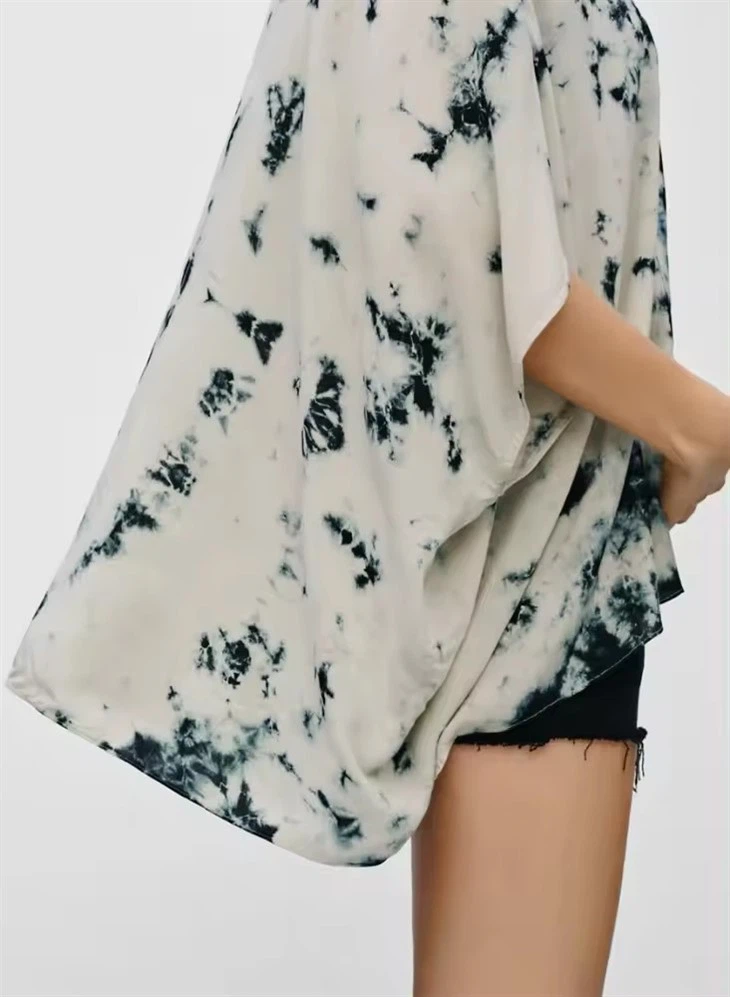
As a kimono supplier, we offer a wide range of high - quality kimonos and tabi socks to suit every taste and occasion. Our Printed Large Sleeve Women Kimono is a popular choice among customers, featuring a beautiful print and large, flowing sleeves that exude elegance and femininity. Paired with a pair of white tabi socks, this kimono creates a classic and timeless look that is perfect for formal events or special occasions.
For a more modern and versatile option, our Ladies Waist Tie Kimono is a great choice. The waist tie allows for a customized fit, while the simple yet stylish design makes it suitable for both casual and formal wear. When paired with tabi socks in a complementary color, this kimono creates a chic and fashionable ensemble that is sure to turn heads.
Contact Us for Procurement
If you are interested in purchasing kimonos or tabi socks for your personal collection or for your business, we invite you to contact us for procurement. Our team of experts is dedicated to providing you with the highest quality products and exceptional customer service. Whether you are looking for a single kimono for a special occasion or a bulk order for your store, we have the expertise and resources to meet your needs.
References
- Nishikawa, K. (2005). Traditional Japanese Clothing: Kimono, Obi, and Tabi. Tokyo: Kodansha International.
- Tanaka, S. (2010). The Art of Kimono: History, Design, and Culture. New York: Tuttle Publishing.
- Yamamoto, H. (2015). Japanese Fashion: From Kimono to Kawaii. London: Thames & Hudson.