What is the difference between a kimono and a hanfu?
As a kimono supplier, I often encounter questions from customers who are curious about the distinctions between a kimono and hanfu. These two traditional garments represent the rich cultural heritages of Japan and China respectively, each with its own unique charm and characteristics. In this blog post, I will delve into the key differences between a kimono and hanfu, sharing insights that can help enthusiasts and potential buyers better understand these beautiful attires.
Historical Origins
The history of the kimono can be traced back to the Heian period (794 - 1185 AD) in Japan. Over time, it evolved from the simple robes worn by the Japanese people into the elaborate and standardized form we know today. The development of the kimono was influenced by various factors, including Japanese aesthetics, social status, and seasonal traditions. Different styles of kimonos emerged to suit different occasions, such as formal ceremonies, festivals, and daily wear.
On the other hand, hanfu has a much longer and more complex history. It is the traditional clothing of the Han ethnic group in China, with roots dating back thousands of years. Hanfu has gone through numerous changes and adaptations throughout Chinese history, reflecting the political, economic, and cultural developments of different dynasties. Each dynasty had its own characteristic styles of hanfu, which were often influenced by factors like social hierarchy, fashion trends, and cultural exchanges.
Design and Structure
One of the most obvious differences between a kimono and hanfu lies in their design and structure.
A kimono typically has a straight - cut silhouette. It is made up of a single rectangular piece of fabric that is wrapped around the body. The front panels overlap, and the kimono is secured with an obi, a wide sash that is tied in various elaborate bows at the back. Kimonos usually have long, wide sleeves that are attached to the body of the garment. The length of the kimono often reaches the ankles, and it is designed to be worn in a very formal and structured way.
Hanfu, in contrast, comes in a wide variety of styles. Some common types of hanfu include the ruqun (a top - bottom set for women), the shenyi (a one - piece robe), and the zhiju (a long robe). Ruqun consists of a short top and a long skirt, which can be either pleated or straight. Shenyi is a long, flowing robe that is wrapped around the body and fastened with a belt or sash. Zhiju is characterized by its long, loose fit and often has a cross - collar design. Hanfu generally has a more fluid and natural look. The sleeves of hanfu can vary in shape and size, from narrow and tight to wide and flowing, depending on the specific style.
Fabrics and Colors
The choice of fabrics and colors also differs between a kimono and hanfu.
Kimonos are often made from high - quality silk, although other materials such as cotton and hemp can also be used. Silk kimonos are known for their smooth texture, luster, and durability. The colors of a kimono are carefully selected according to the season, occasion, and the wearer's age and social status. For example, bright and vivid colors are often used for festival kimonos, while more subdued and elegant colors are preferred for formal ceremonies.
Hanfu, too, has a wide range of fabric options. Silk has been a popular choice for hanfu throughout history, especially for more formal and high - end garments. However, cotton, linen, and brocade are also commonly used. The colors of hanfu are deeply rooted in Chinese culture. Red, for instance, is a symbol of good luck and happiness in China, and it is often used in hanfu for weddings and other festive occasions. Other traditional colors include blue, green, and yellow, each with its own symbolic meaning.
Cultural Significance
Both the kimono and hanfu carry significant cultural meanings.
In Japanese culture, the kimono is not just a piece of clothing; it is a symbol of Japanese identity, tradition, and etiquette. Wearing a kimono is often associated with formal events such as weddings, tea ceremonies, and festivals. Different types of kimonos are worn for different occasions, and there are strict rules regarding how to wear and handle a kimono. For example, the way the obi is tied can indicate the wearer's marital status.
Hanfu, in Chinese culture, represents the long - standing heritage and values of the Han ethnic group. It is a symbol of Chinese elegance, refinement, and cultural continuity. In recent years, there has been a resurgence of interest in hanfu in China, with more and more people wearing hanfu to traditional festivals, cultural events, and even in daily life. Wearing hanfu is seen as a way to express pride in Chinese culture and to revive traditional cultural practices.
Occasions of Wear
The occasions on which a kimono and hanfu are worn also vary.
Kimonos are typically reserved for special occasions in Japan. For example, women may wear a furisode, a type of kimono with long, swinging sleeves, for their coming - of - age ceremony. On weddings, brides wear a shiromuku, a white kimono symbolizing purity, while grooms wear a montsuki hakama, a formal kimono - like outfit. During festivals such as the Cherry Blossom Festival or the Obon Festival, people often wear yukata, a lighter and more casual type of kimono.
Hanfu, while also worn for formal events such as traditional weddings and cultural performances, is increasingly being worn in daily life. In modern China, you can see people wearing hanfu on the streets, in shopping malls, or at cafes. It has become a way for young people to show their love for traditional culture and to stand out in a fashionable way.
Accessories
Accessories play an important role in both kimono and hanfu ensembles, but they are different in nature.
When wearing a kimono, the obi is the most prominent accessory. As mentioned earlier, it is used to secure the kimono and can be tied in various elaborate bows. Other accessories include zori (wooden sandals), tabi (split - toe socks), and various hair ornaments and brooches. The choice of accessories can enhance the overall look of the kimono and also indicate the occasion and the wearer's social status.
Hanfu accessories are also diverse. For women wearing ruqun, hairpins, combs, and headbands are commonly used to adorn the hair. A jade pendant or a silk belt can add a touch of elegance to the outfit. Men may wear a hat, such as a fangshan or a headdress, and carry a fan as an accessory. These accessories not only complement the hanfu but also carry cultural and symbolic meanings.
Our Kimono Offerings
As a kimono supplier, I am proud to offer a wide range of high - quality kimonos. We have Printed Large Sleeve Women Kimono, which features beautiful printed patterns on the fabric and long, flowing sleeves. This kimono is perfect for festival wear or for those who want to add a touch of Japanese elegance to their wardrobe.

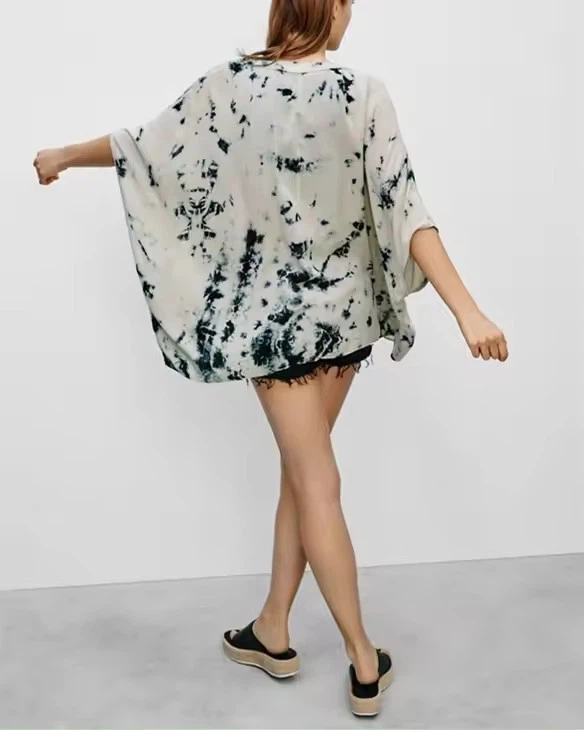
We also have Ladies Waist Tie Kimono, which is a more modern and versatile option. The waist tie adds a stylish element to the traditional kimono design, making it suitable for both formal and semi - formal occasions.
Conclusion
In conclusion, while both the kimono and hanfu are traditional garments with rich cultural heritages, they have distinct differences in terms of historical origins, design, fabric, cultural significance, and occasions of wear. Understanding these differences can help people appreciate the unique beauty of each garment and make more informed choices when it comes to purchasing or wearing them.
If you are interested in our kimono products or have any questions about kimonos, I encourage you to contact us for further discussions. We are always happy to assist you in finding the perfect kimono that suits your needs and preferences.
References
- "The History of Kimono" by Japanese Cultural Institute
- "Hanfu: The Traditional Clothing of the Han People" by Chinese Cultural Heritage Research Center
- Various cultural research papers on traditional Japanese and Chinese clothing.