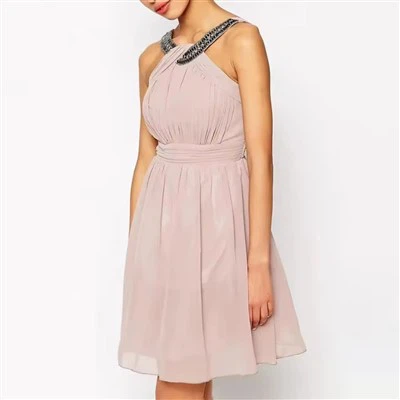
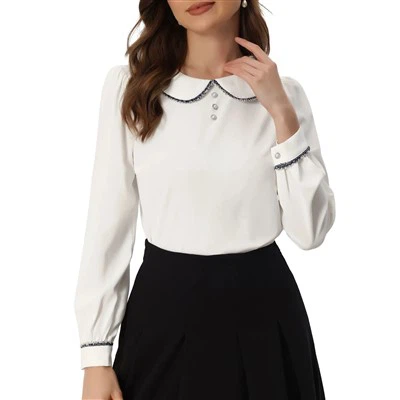
Hey there! As a blouse supplier, I've seen all kinds of blouses come and go. And one question I get asked a lot is, "How do I wash my blouse?" Well, don't worry, I've got you covered. In this blog post, I'm going to share some tips and tricks on how to wash your blouse properly, so it stays looking great for longer.
First things first, let's talk about the different types of blouses out there. There are so many materials and styles, and each one requires a different approach when it comes to washing. For example, you've got your delicate lace blouses, your sturdy cotton ones, and your flowy silk numbers. And then there are the different designs, like the Summer Printed Ruffle Sleeve Knit Top, the Casual Short Sleeve Lace Trimmed Top, and the Linen Halterneck Crop Top. Each of these has its own unique features that need to be considered when washing.
Check the Care Label
Before you even think about throwing your blouse in the washing machine, the very first thing you should do is check the care label. This little tag on your blouse is like a secret guidebook. It'll tell you whether you can machine wash it, if it needs to be dry cleaned, or if it's okay to hand wash. It'll also give you details about the water temperature and any special detergents you should use. Ignoring the care label is like driving without a map – you might end up in a mess. For instance, if it says "dry clean only" and you toss it in the washing machine, you could shrink the blouse, damage the fabric, or make the colors fade. So, always, always check the care label first.
Sort Your Blouses
Once you know how to wash your blouse, it's time to sort them out. You don't want to throw a white blouse in with a red one and end up with a pink mess. Separate your blouses by color – whites, lights, and darks. This way, you can avoid any color bleeding. Also, group them by fabric type. Delicate fabrics like silk and lace should be washed separately from sturdier ones like cotton and linen. This helps prevent any damage to the more fragile blouses. For example, if you wash a silk blouse with a rough cotton one, the silk could get snagged or torn.
Pre - Treat Stains
Stains are the enemy of a beautiful blouse. But don't worry, you can usually get rid of them before washing. If you spill something on your blouse, act fast. Blot the stain gently with a clean cloth to remove as much of the spill as possible. Then, depending on the type of stain, you can use different pre - treatment methods. For food stains, a little dish soap and water can work wonders. Just mix a small amount of dish soap with water, apply it to the stain, and let it sit for a few minutes before rinsing. For oil stains, you can try using a stain remover or even a bit of cornstarch to absorb the oil.
Choose the Right Detergent
Picking the right detergent is crucial. For delicate blouses, you'll want to use a mild, gentle detergent. Avoid using harsh detergents with lots of chemicals, as they can damage the fabric and cause it to lose its luster. Look for detergents that are specifically designed for delicate fabrics. They're usually free of dyes and perfumes, which can also be irritating to the fabric. If you're washing a colored blouse, make sure the detergent is color - safe to prevent fading.
Machine Washing
If your care label says it's okay to machine wash your blouse, there are a few things you need to keep in mind. First, use the gentle cycle. This setting is much less harsh on the fabric compared to the regular or heavy - duty cycles. Set the water temperature according to the care label. Cold water is usually a safe bet, as it helps preserve the color and shape of the blouse. You can also use a mesh laundry bag to protect the blouse from getting tangled or snagged in the machine. Just place the blouse inside the bag and zip it up before putting it in the washing machine.
Hand Washing
For very delicate blouses, hand washing is often the best option. Fill a sink or a basin with lukewarm water and add a small amount of gentle detergent. Gently swirl the blouse in the water, being careful not to rub or wring it too hard. Pay special attention to the areas around the collar, cuffs, and any stained spots. After a few minutes, drain the soapy water and refill the sink with clean, lukewarm water. Rinse the blouse thoroughly until all the soap is gone.
Drying
Once your blouse is clean, it's time to dry it. Avoid using the dryer on high heat, as this can shrink or damage the fabric. For most blouses, air - drying is the way to go. Lay the blouse flat on a clean towel and reshape it to its original form. If the care label allows, you can also hang the blouse to dry. But make sure to use a padded hanger to prevent any shoulder marks. For delicate blouses, it's best to lay them flat to avoid stretching.
Ironing
Ironing can give your blouse that extra polished look. But again, you need to be careful. Check the care label for the recommended ironing temperature. For silk blouses, use a low - heat setting and place a thin cloth between the iron and the blouse to prevent scorching. For cotton and linen blouses, you can usually use a higher heat setting. Start ironing from the inside out to protect the outer surface of the blouse.
Storing Your Blouse
After washing and ironing, storing your blouse properly is important to keep it in good condition. Hang your blouses on padded hangers to maintain their shape. If you're storing them in a closet, make sure the closet is clean and dry. You can also use garment bags to protect the blouses from dust and moths.


As a blouse supplier, I know how much you care about your blouses. By following these tips, you can keep your blouses looking fresh and beautiful for a long time. If you're interested in expanding your blouse collection or looking to stock up for your store, we're here to help. Whether you're a retailer or just someone who loves a great blouse, feel free to reach out to us for more information on our products and to start a procurement discussion. We've got a wide range of blouses, including the ones I mentioned earlier, and we're always happy to work with you to find the perfect styles for your needs.
References
- "The Complete Guide to Clothing Care" by an unknown author. This is a general guidebook that provides basic information on how to care for different types of clothing, including blouses.
- "Fabric Care Tips" from a well - known home - cleaning magazine. It offers in - depth knowledge about the proper care of various fabrics, which is useful when dealing with different blouse materials.