Making a kimono is a meticulous and time - honored process that combines artistry, skill, and patience. As a seasoned kimono supplier, I am often asked about the time it takes to create these traditional yet elegant garments. In this blog, I'll delve into the factors that influence the production time of a kimono, from the choice of materials to the level of craftsmanship involved.
Selection of Materials: The First Step
The initial stage in making a kimono is the selection of materials. Kimonos are typically crafted from silk, hemp, or cotton. Silk, the most luxurious option, undergoes a long - and labor - intensive process even before it reaches the kimono maker. Silk production starts with silkworms spinning cocoons. After the cocoons are harvested, they are carefully unwound, and the silk filaments are reeled together to form threads. This silk is then dyed, and the dyeing process itself can be time - consuming, especially if traditional natural dyes are used.
For a high - quality silk kimono, sourcing the right silk can take anywhere from a few weeks to several months. The supplier must ensure that the silk has the right texture, colorfastness, and sheen. Hemp and cotton are more straightforward in terms of sourcing, but they still require careful selection. Organic hemp needs to be grown and processed, which can take a growing season and additional time for processing.
Once the base material is selected, patterns and designs are considered. For a plain - colored kimono, the material may be ready to use after some basic finishing. However, if the kimono features intricate patterns, the process of creating or printing these on the fabric is added. Traditional kimono patterns are often painstakingly hand - dyed using techniques like yuzen. Yuzen dyeing involves multiple steps of applying resist paste, painting or stamping the design, and then dyeing. This process can take days or even weeks, depending on the complexity of the pattern.
Cutting and Sewing: Precision Work
After the material is ready, the cutting and sewing process begins. A skilled cutter uses a template to cut the silk or other fabric into the specific shapes required for different parts of the kimono, such as the front, back, sleeves, and collar. The cutting must be extremely precise, as any error can lead to a poorly - fitting garment.
Sewing a kimono is not like sewing a regular modern - style garment. Kimonos are traditionally sewn with a specific type of stitch called "kakehimo." The seams need to be strong yet flexible, as kimonos are designed to drape gracefully on the body. A single kimono can have seams that, when laid end - to - end, would measure several meters.
For a simple kimono with basic stitching, the cutting and sewing process can take a few days for an experienced artisan. However, for a more elaborate kimono with multiple layers, fine details, and complex stitching, this stage can extend to weeks. The process of assembling the different parts of the kimono, including attaching the obi (the belt), collars, and other accessories, also requires meticulous attention.
Embellishments and Finishing Touches
Embellishments can significantly extend the production time of a kimono. Some kimonos are adorned with embroidery, lace, beading, or other decorative elements. Embroidery is especially labor - intensive. Artisans may spend hours carefully stitching each thread to create beautiful floral patterns, animals, or other motifs.
Beading involves attaching individual beads to the fabric, a task that requires both patience and dexterity. The smaller and more intricate the beads, the longer the process. For a heavily beaded or embroidered kimono, the embellishment stage alone can take several weeks.
Finishing touches such as hemming, pressing, and quality control also add to the overall time. Once the kimono is completed, it is carefully pressed to give it a smooth and professional look. Quality control ensures that every stitch, seam, and embellishment meets the highest standards. This final inspection can take a day or two to complete.
Production Time for Different Types of Kimonos
- Everyday Kimonos: These are simpler in design and construction. Made from cotton or less expensive silk, they often have basic patterns and minimal embellishments. An everyday kimono can typically be produced in about one to two weeks. The material sourcing is relatively quick, and the cutting, sewing, and finishing processes are less elaborate. For example, a simple cotton kimono with a basic geometric print can be ready within a week if all the materials are readily available.
- Formal and Festival Kimonos: These are the most elaborate and time - consuming to make. They are usually made from high - quality silk and feature intricate hand - dyed patterns, extensive embroidery, and luxurious embellishments. A formal kimono can take anywhere from two months to half a year to produce. For instance, a wedding - style kimono with detailed gold embroidery and a complex hand - dyed cherry - blossom pattern will require a long production timeline due to the high level of craftsmanship.
Influence of Quantity on Production Time
If you're ordering a single custom - made kimono, the production time will be based on the factors mentioned above. However, when it comes to bulk orders, the process becomes more complex. While the per - unit production time may decrease slightly due to economies of scale in material sourcing and some production processes, the overall time will still increase.
For a bulk order of 10 - 20 kimonos, the production may take about two to three times as long as making a single kimono. This is because there are additional steps involved in coordinating the production, ensuring consistency in quality across all the garments, and managing the larger quantity of materials.

Our Offerings
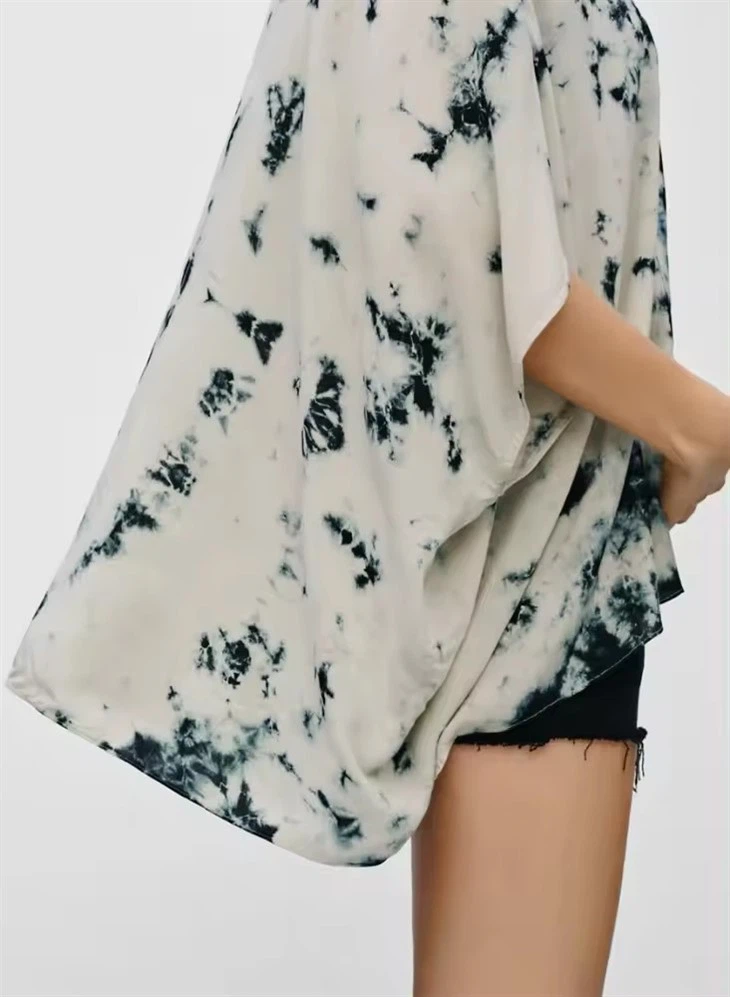
At our company, we offer a wide range of Ladies Waist Tie Kimono and Printed Large Sleeve Women Kimono. These modern interpretations of the traditional kimono are designed to meet the diverse needs of our customers. Whether you're looking for a casual, everyday piece or a more formal garment for a special occasion, we can provide you with high - quality kimonos.
Contact Us for Procurement
If you're interested in purchasing kimonos for your store, event, or personal use, we're here to help. We understand that the production time is an important factor in your decision - making process, and we're committed to working with you to meet your requirements. Contact us to discuss your specific needs, and we'll be glad to provide you with a detailed quote and production timeline.
References
- "The Art of Kimono Making" by Traditional Textile Institute
- "Introduction to Japanese Kimono" by Japanese Cultural Heritage Society
- "Silk Production and Processing" by International Sericulture Commission