Hey there! As a supplier of knitted dresses, I've been getting a lot of questions lately about whether these stylish pieces are eco - friendly. So, I thought I'd take some time to dig into this topic and share my findings with you all.
First off, let's talk about the materials. A big part of determining if knitted dresses are eco - friendly depends on what they're made of. There are two main types of materials used in knitted dresses: natural fibers and synthetic fibers.
Natural Fibers
Natural fibers like wool, cotton, and silk are great options when it comes to eco - friendliness. Wool, for example, is a renewable resource. Sheep grow new wool every year, and as long as the sheep are treated well, the process of getting the wool can be sustainable. It's also biodegradable, which means that when the dress eventually reaches the end of its life, it won't sit in a landfill for hundreds of years.
Cotton is another popular choice. Organic cotton, in particular, is grown without the use of harmful pesticides and synthetic fertilizers. This not only reduces the environmental impact of farming but also creates a healthier working environment for the farmers. Organic cotton knitted dresses are soft, breathable, and comfortable to wear. And just like wool, cotton is biodegradable.
Silk, although it has a more complex production process, can also be an eco - friendly option. Mulberry silk, which is the most common type, comes from the cocoons of silkworms. When the silk is produced in a sustainable way, with proper care for the silkworms and the environment, it can be a great choice for a knitted dress. Silk is known for its luxurious feel and is also biodegradable.
Synthetic Fibers
On the other hand, synthetic fibers such as polyester, nylon, and acrylic are not as eco - friendly. These fibers are made from petrochemicals, which are non - renewable resources. The production of synthetic fibers also requires a significant amount of energy and often involves the use of toxic chemicals.
Polyester, for instance, is one of the most widely used synthetic fibers in the fashion industry. It's cheap, durable, and easy to care for. However, it takes hundreds of years to break down in the environment. When polyester clothes are washed, they release microplastics into the water, which then end up in our oceans and harm marine life.
Nylon and acrylic have similar environmental issues. They are non - biodegradable and contribute to pollution during both production and disposal.
Production Process
The production process of knitted dresses also plays a crucial role in their eco - friendliness. When it comes to knitting, there are different methods. Hand - knitting is a slow and labor - intensive process, but it generally has a lower environmental impact. It doesn't require large - scale machinery, which means less energy consumption.
Machine - knitting, on the other hand, is faster and more efficient for mass production. However, it often uses a lot of electricity. But if the factory uses renewable energy sources like solar or wind power, the environmental impact can be significantly reduced.
Another aspect of the production process is dyeing. Many traditional dyeing methods use large amounts of water and toxic chemicals. However, there are now eco - friendly dyeing techniques available. For example, natural dyes made from plants, fruits, and vegetables can be used to color knitted dresses. These natural dyes are non - toxic and biodegradable.
Lifespan and Recycling
The lifespan of a knitted dress also affects its eco - friendliness. A well - made knitted dress that lasts for a long time is more sustainable than a cheap, fast - fashion piece that falls apart after a few wears. When choosing a knitted dress, look for high - quality materials and good craftsmanship.
Recycling is another important factor. Some knitted dresses can be recycled into new yarns or other textile products. However, the recycling process for synthetic fibers is more complicated and less common than for natural fibers.
Our Knitted Dresses
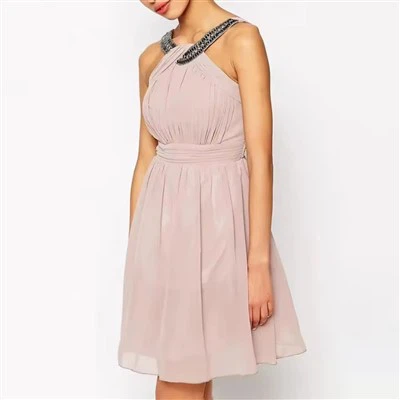
As a supplier, I'm committed to providing eco - friendly knitted dresses. We offer a wide range of styles, including the Long Sleeve Round Neck Loose Dress, which is made from organic cotton. It's perfect for those who want a comfortable and sustainable option.
Our Women Short Sleeve Casual Summer Dresses are also made with eco - friendly materials. They are light, breathable, and great for the summer months.
And if you're looking for something a bit more stylish, check out our Square - Neck Low - Cut Dress. It's made from a blend of sustainable fibers and is sure to turn heads.
Conclusion
So, are knitted dresses eco - friendly? Well, it depends. If they're made from natural fibers, produced in an environmentally friendly way, and have a long lifespan, then yes, they can be a very eco - friendly choice. However, if they're made from synthetic fibers and produced using harmful chemicals and a lot of energy, then they're not so great for the environment.
As a supplier, I'm constantly working to improve the sustainability of our knitted dresses. We're always looking for new and better ways to reduce our environmental impact.
If you're interested in purchasing our eco - friendly knitted dresses or have any questions about our products, feel free to reach out to us. We'd love to have a chat and discuss your needs. Whether you're a retailer looking to stock our dresses or an individual shopper, we're here to help.


References
- Fashion Revolution. "The True Cost of Fashion."
- Sustainable Fashion Forum. "Eco - Friendly Fibers in the Fashion Industry."
- Textile Exchange. "Organic Cotton Market Report."